Consumer Mains
Upgrading Old Consumer Mains in Pre‑2000 Homes: Safety Risks, Cost Breakdown, and What Electricians Want You to Know
Many homes in Australia built before 2000 have electrical systems that use parts made for a different era. The consumer mains are the most important part of this setup because they connect the power supply from outside to your home's electrical system. These consumer mains bring electricity from the power pole or underground services to your switchboard and metre box. But over time, wear and tear and higher demand can make these consumer mains dangerous for electrical safety.
Homeowners may not realise the risks until they have electrical problems, such as tripping or overheating. It's not just about making things more modern when you upgrade consumer mains; it's also important for safety and reliability. As more people use air conditioners and electric cars, demand for electricity has increased. This has made older consumer mains less reliable, so they need to be updated.
The main point of this is to explain why homes built before 2000 need to pay special attention to their consumer mains. These consumer mains were installed when homes didn't use as much electricity, so they usually had smaller cables, like 6mm cables that could handle about 40 amps.
That amount of power can now cause overload protection failures and electrical problems. Electricians often have to deal with situations where ignoring these consumer mains leads to expensive repairs or even having to call an electrician in an emergency. Homeowners can better understand the importance of upgrading their electrical system on time if they know what consumer mains are.
Identifying Safety Risks with Outdated Consumer Mains
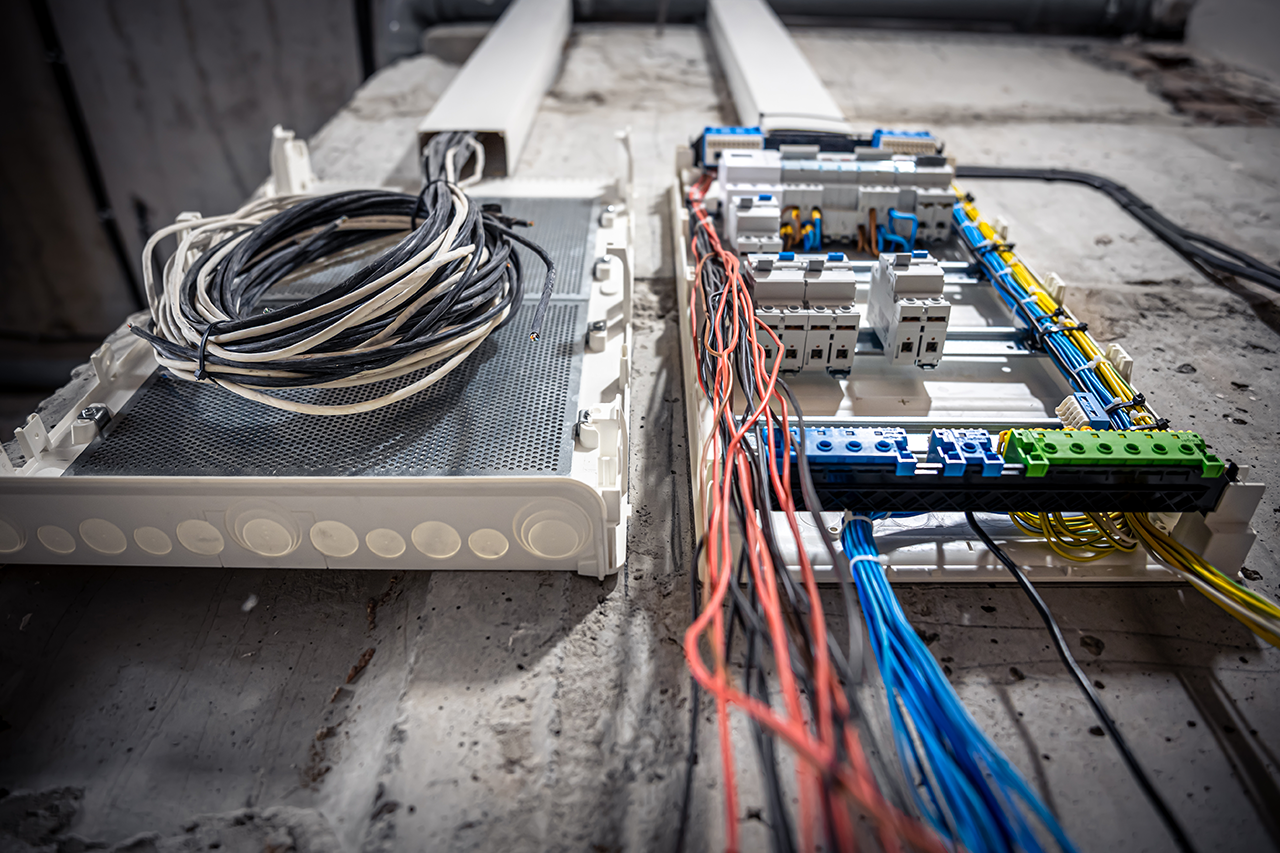
One of the biggest problems with old consumer mains is that they are very dangerous. Consumer mains in homes built before 2000 may have insulation that has worn out or cables that are too small, which makes electrical hazards like short circuits or fires more likely. These risks worsen when the mains cable can't meet today's electrical power demands, leading to overheating and electrical safety risks. For example, if your home still uses the same consumer mains cable from decades ago, it could fray or corrode, which could be dangerous and cause shocks or outages.
Electrical safety checks often show that old consumer mains don't have the right overload protection, which is very important for avoiding problems and repairs. Without upgrades, these consumer mains can become dangerous, especially when the power supply is under a lot of stress, like when people use them the most. Local electricians say that a lot of electrical problems come from consumer mains that haven't been taken care of, which means that the electrical system doesn't safely distribute power. This can cause parts to arc or melt, which is very dangerous for people inside. Additionally, a qualified electrician's safety hazard report may show how old consumer mains make electrical safety problems worse and call for quick action to fix these issues.
Another risk is the connection at the power pole, where the consumer mains connect to the utility services. If the mains cable is too small, it may not be able to handle surges, which can cause electrical hazards that need an emergency electrician to fix. Homeowners should know that ignoring these risks not only puts lives at risk but also makes it harder to file insurance claims if something happens because of known electrical safety hazards.
How to Tell If Your Consumer Mains Need an Upgrade
Knowing when consumer mains need fixing is important to keep electrical problems from getting worse. Frequent trips of the circuit breaker are a common sign that the consumer mains can't handle the current electrical power needs. If the lights dim or flicker when more than one appliance is running at the same time, it could be because the consumer mains cables are too small. Also, if your home has unexplained power outages or buzzing sounds coming from the switchboard, these could be signs that the consumer mains need repairs.
A professional electrical safety check can tell you for sure if your consumer mains are to blame. A level 2 electrician who is allowed to work on consumer mains and the power pole connection might find corrosion or wear during regular inspections. When you add new things like solar panels or EV chargers, you may need to upgrade your old consumer mains because they often don't have enough power.
Local electricians stress that checking consumer mains regularly can stop small electrical problems from turning into big ones. If a safety hazard report says that your consumer mains don't meet current standards, it's time to upgrade them.
How to Upgrade Consumer Mains
To improve your home's electrical system, you need to take a structured approach to upgrading the consumer mains. At first, a level 2 electrician looks at the current consumer mains, checking the cable that runs from the power pole to the metre. This means checking the size of the cables and making sure they follow electrical safety rules. Usually, the upgrade requires temporarily cutting off the power supply, removing the old consumer mains, and installing new, thicker cables—16mm or 25mm—to raise the capacity to 63 or 80 amps.
The electrician might also upgrade overload protection devices and add modern electrical services while they are installing. This process makes sure that the consumer mains can safely handle more electrical power. Trenching may be necessary for underground services, and pole brackets or new insulators may be needed for overhead consumer mains from a power pole.
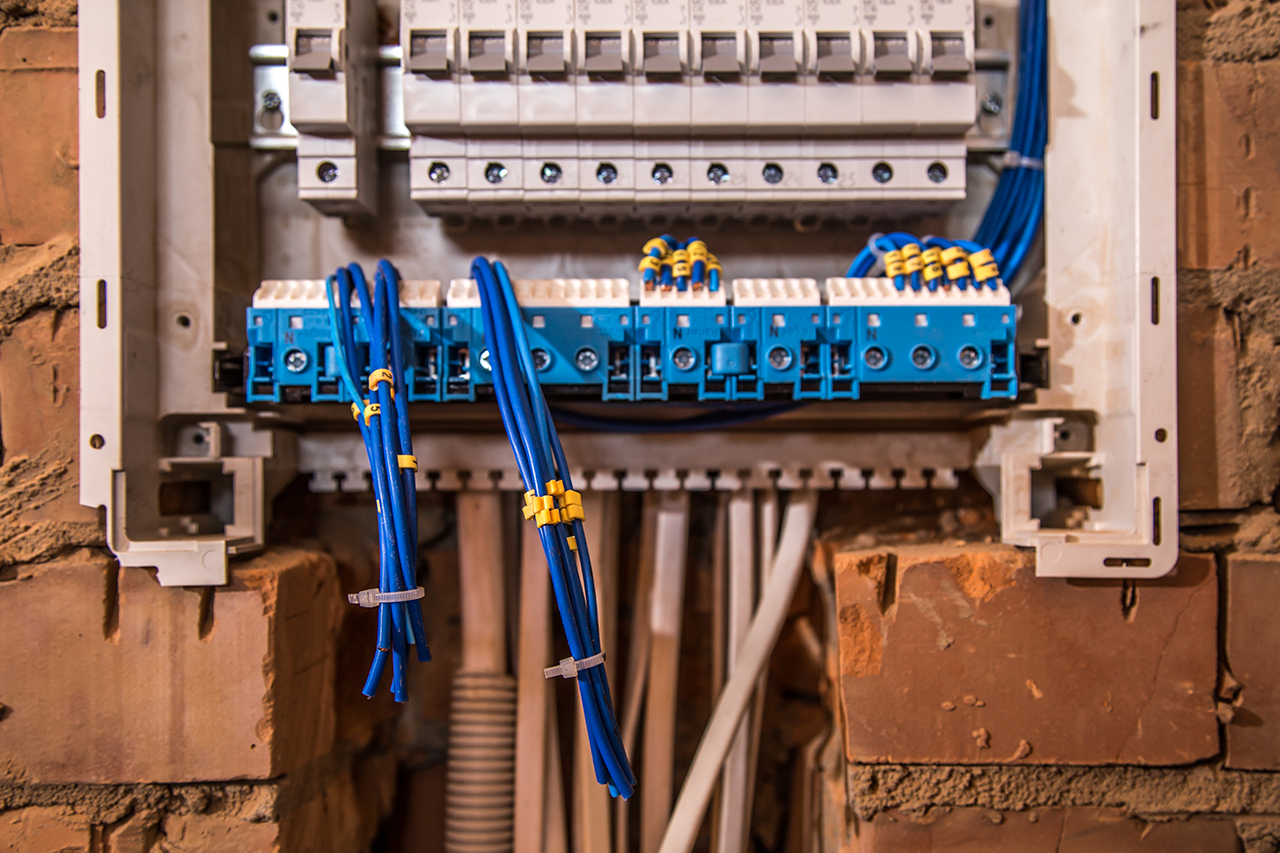
After installation, thorough electrical safety checks ensure the new consumer mains are safe, leading to fewer future repairs. Local electricians handle permits and coordinate with utility companies to ensure the upgrade goes smoothly. The whole process, from checking things out to turning on the new consumer mains, usually takes one or two days, depending on how complicated the house is.
How Much Do Consumer Mains Upgrades Cost?
When thinking about upgrades to consumer mains, it's important to know how much each part will cost so you can plan your budget. Basic upgrades to the consumer mains in a small home built before 2000 might cost between $1,200 and $2,000. This includes the cost of labour and materials for installing new mains cables. Expect to pay between $1,800 and $3,000 for medium-sized homes, especially if the upgrade includes improvements to the switchboard and the consumer mains. Costs could reach $4,000 for bigger homes or homes with complicated services. This includes level 2 electrician fees and any repairs to the electrical system.
Certain needs, like underground consumer mains instead of overhead from a power pole, can add extra costs, such as trenching costs of $500 to $1,000. Installing safety switches and other overload protection upgrades can add $300 to $600 to the cost. Emergency electrician services for urgent repairs and problems before the main upgrade could add to the total.
But investing in upgrades to consumer mains often pays off by making the system safer and more energy-efficient. Prices vary by location, so it's best to get a quote from a local electrician to ensure you know exactly what you're getting.
What Electricians Know About Consumer Mains
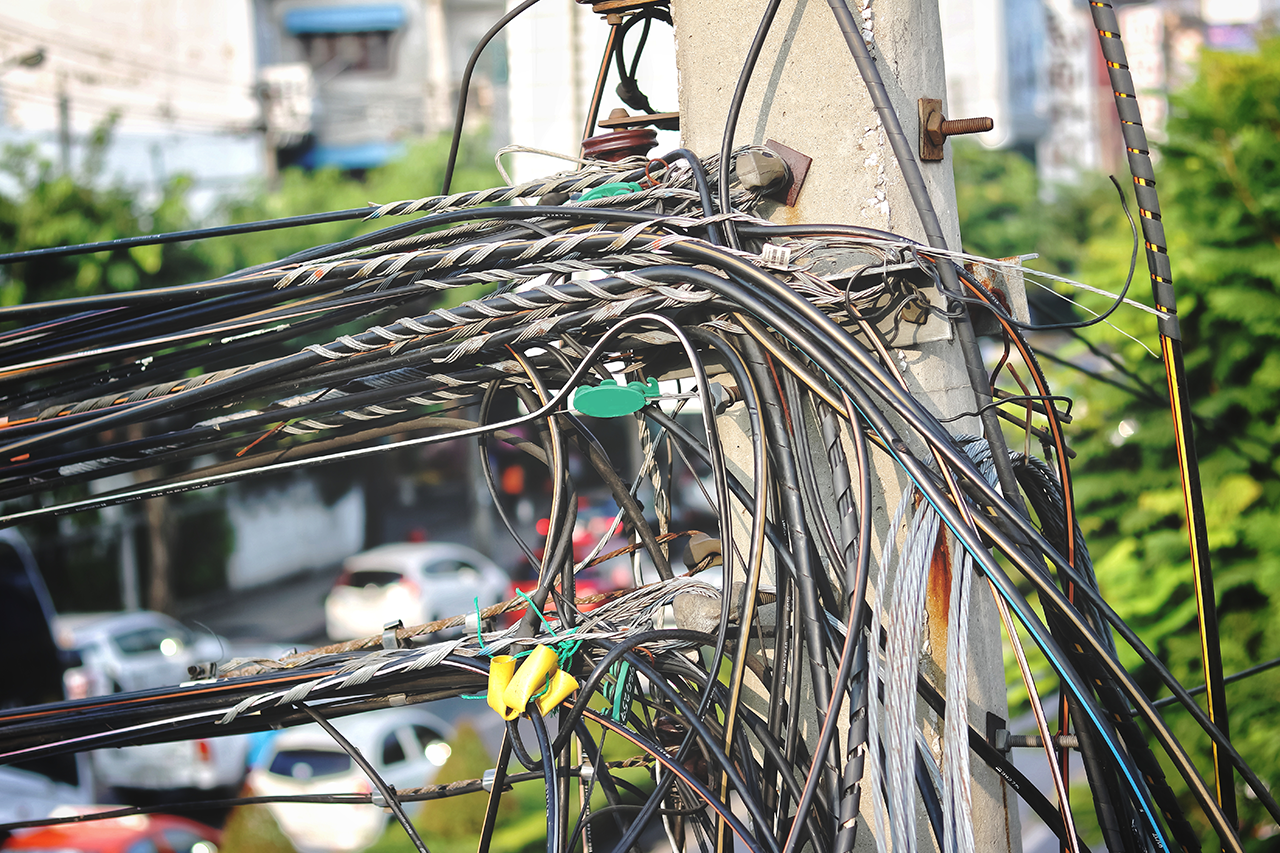
Electricians also say that upgrading the consumer mains makes the electrical system safer overall, so repairs don't have to be done as often. They say that you should plan for these upgrades as part of your regular home maintenance, just like you would for plumbing or roofing. If you think there might be an electrical problem, calling an emergency electrician right away can prevent disasters. Finally, electricians want you to be aware of how consumer mains affect your power supply and encourage you to make upgrades to protect your home.
Electricians want homeowners to know that consumer mains are not something you can just set and forget. A level 2 electrician says that regular electrical safety checks are important for detecting early signs of wear in consumer mains. They point out that a lot of the problems with old consumer mains come from not taking into account how much power modern devices need, which leads to electrical problems that could have been avoided. Local electricians often tell people not to try to do it themselves because working on consumer mains can be dangerous if you don't have the right training.
Prioritising Electrical Safety Through Upgrades
Fixing old consumer mains in homes built before 2000 is very important for lowering risks and making sure the electrical system is strong. Knowing about electrical hazards and the costs and steps involved in upgrading can help you make safe choices. Homeowners can keep their power supply safe and efficient by listening to what local electricians say about consumer mains.
Regular electrical work and timely upgrades to consumer mains not only keep your home safe but also make it more useful for modern needs, giving you peace of mind for years to come.